
Derbyshire Moth News, Moth Traps - Derbyshire, Moths
Moth Trap 27th-28th July 2026
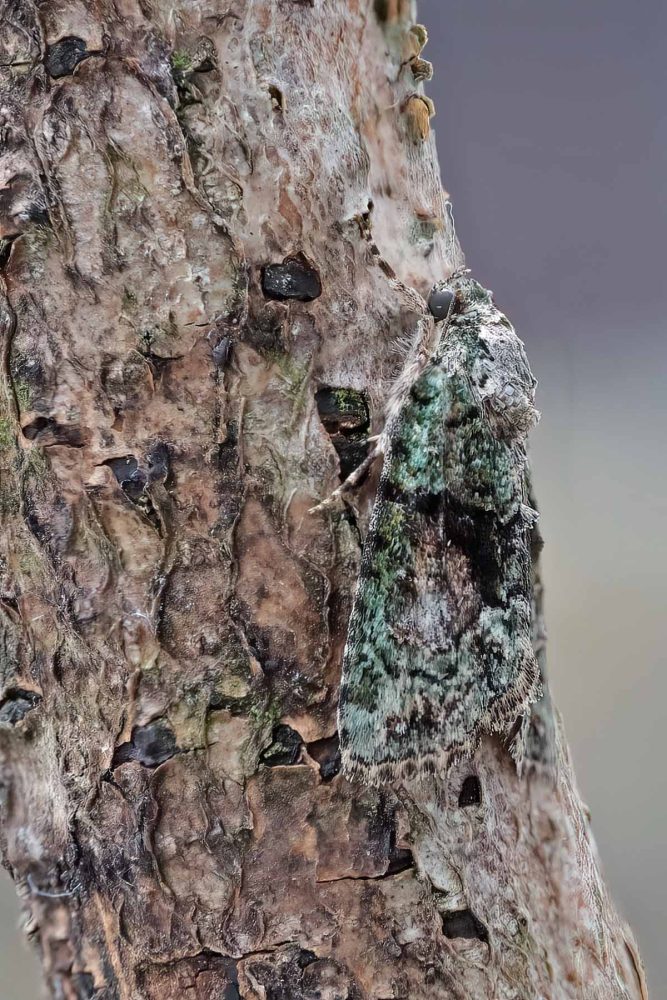
I ran my Melbourne 20W garden light trap overnight on 27th July 2026. Results as follows in no particular order – Pyrausta aurata (Mint Moth) (8); Pleuroptya ruralis (Mother of Pearl (2); Chrysotuechia culmella (2); Lesser Broard-bordered Yellow Underwing (5); Tree-Lichen Beauty (2) (lifer and NFG); Willow Beauty (3); Flame Shoulder (3); Straw Dot (2)
Derbyshire Moth News, Moth Traps - Derbyshire
Moth Trap – 24th -25th July 2026
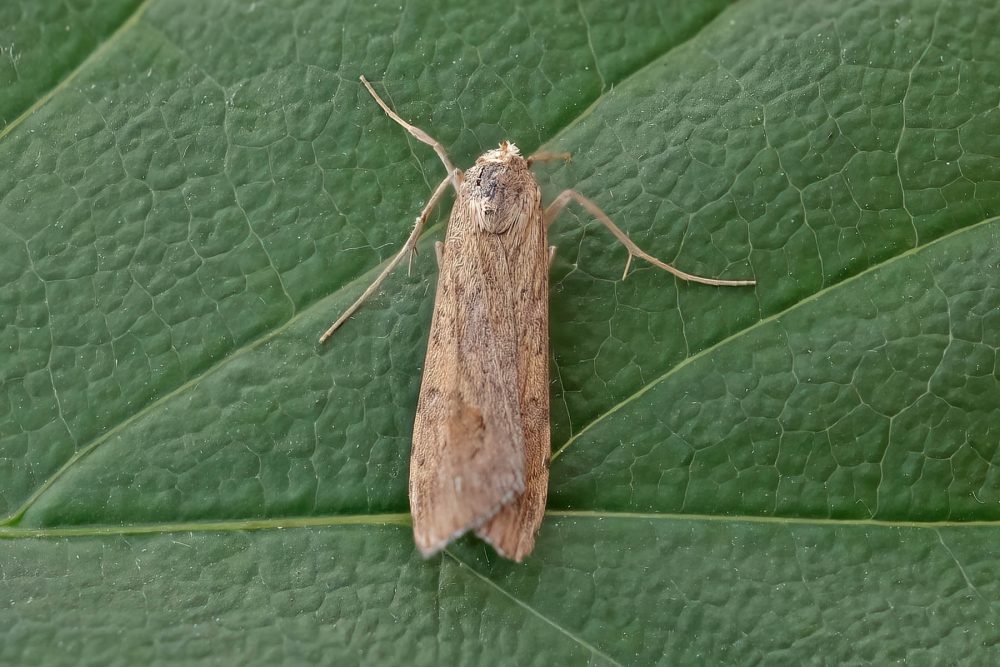
I ran my 20W Actinic overnight on 24th July in my Melbourne garden – results as follows in no particular order – Light Brown Apple Moth 1; Mint Moth 3, Chrysoteuchia culmella 3, Small Dusty Wave 1, Poplar Hawk-moth 1, Least Yellow Underwing 1, Large Yellow Underwing 2, Marbled Minor agg, Pale Mottled Willow 1,
Moth Of The Month
Moth of the Month – June 2026
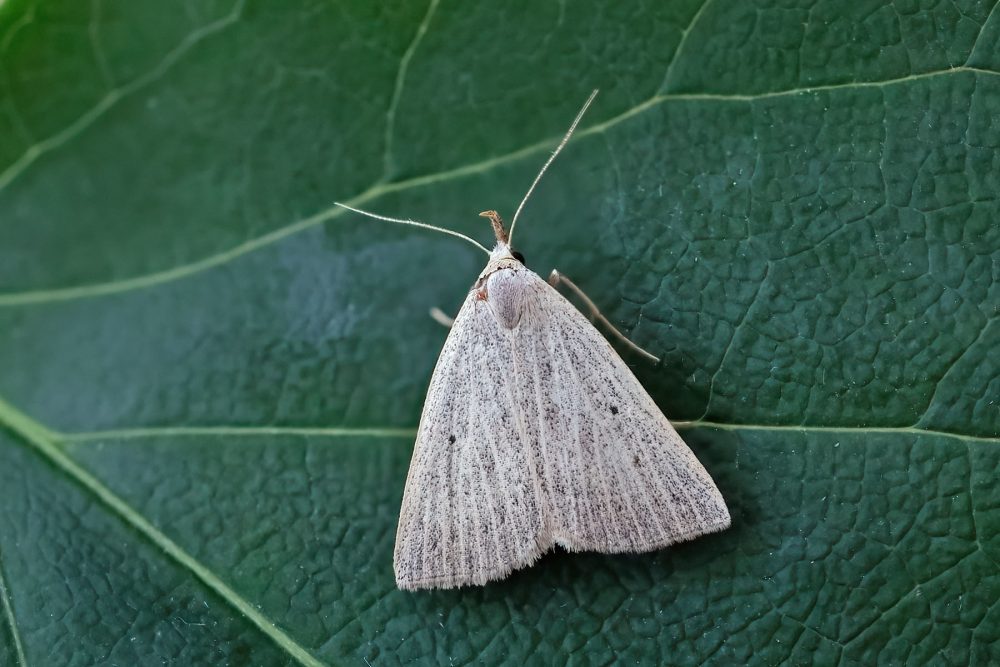
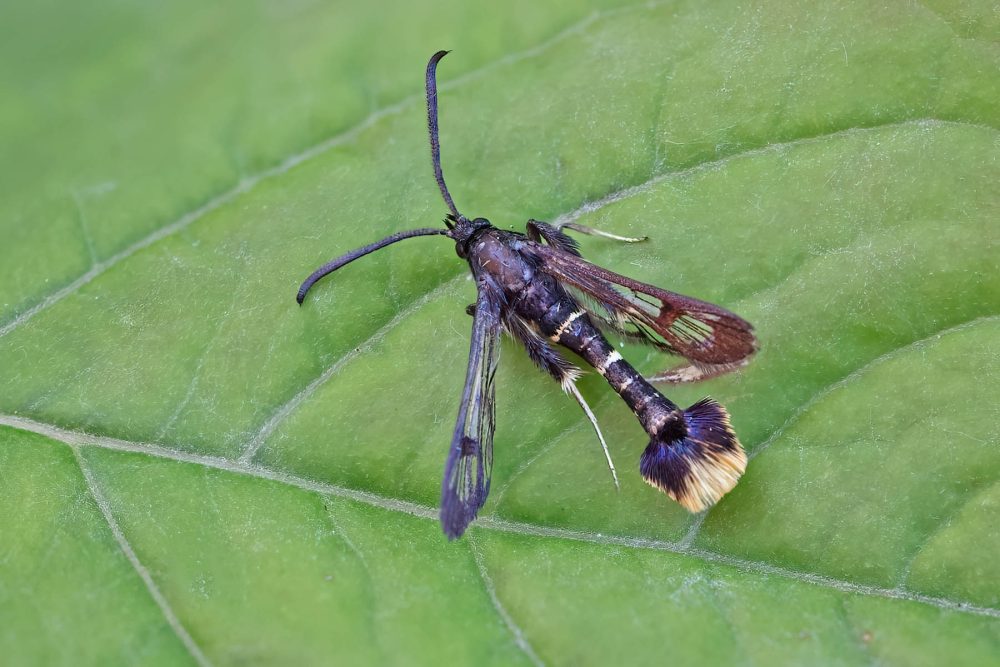
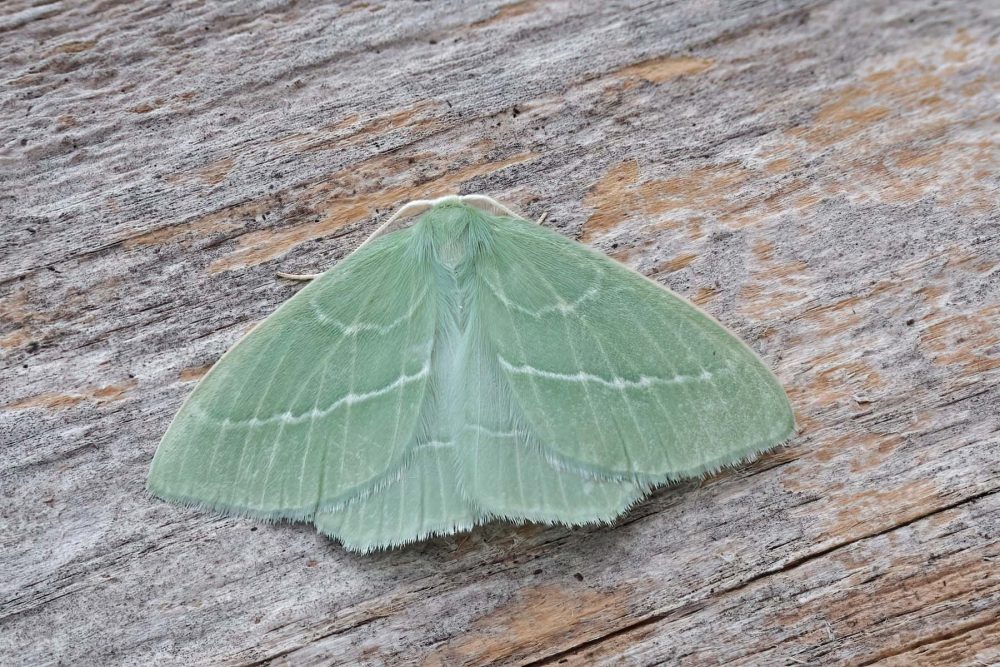
A very difficult one to pick as there have been so many good species including 5 new macro and 7 new micro moths for VC57 Derbyshire. There were three new species of Clearwing, including Orange-tailed, Red-belted and amazingly Welsh, Breckland Plume, Rosy Footman and Fleabane Drab, all incredible records. I’ve gone for Dotted Fan-foot, but
Derbyshire Moth News, Moth Traps - Derbyshire
Moth Trap 28th-29th June 2026
I ran my 20W actinic light from my garden in Melbourne overnight on 28th June 2026. Results are as follows in no particular order – Riband Wave (12); Swallow-tailed Moth (2); Large Yellow Underwing (1); Pine Hawk-moth (1); Elephant Hawk-moth (1); Least Carpet (1); Dusky Sallow (1); Common Footman (7); Scalloped Oak (2); Uncertain-Rustic agg
Derbyshire Moth News
Two New Micro Moths for VC57 Derbyshire
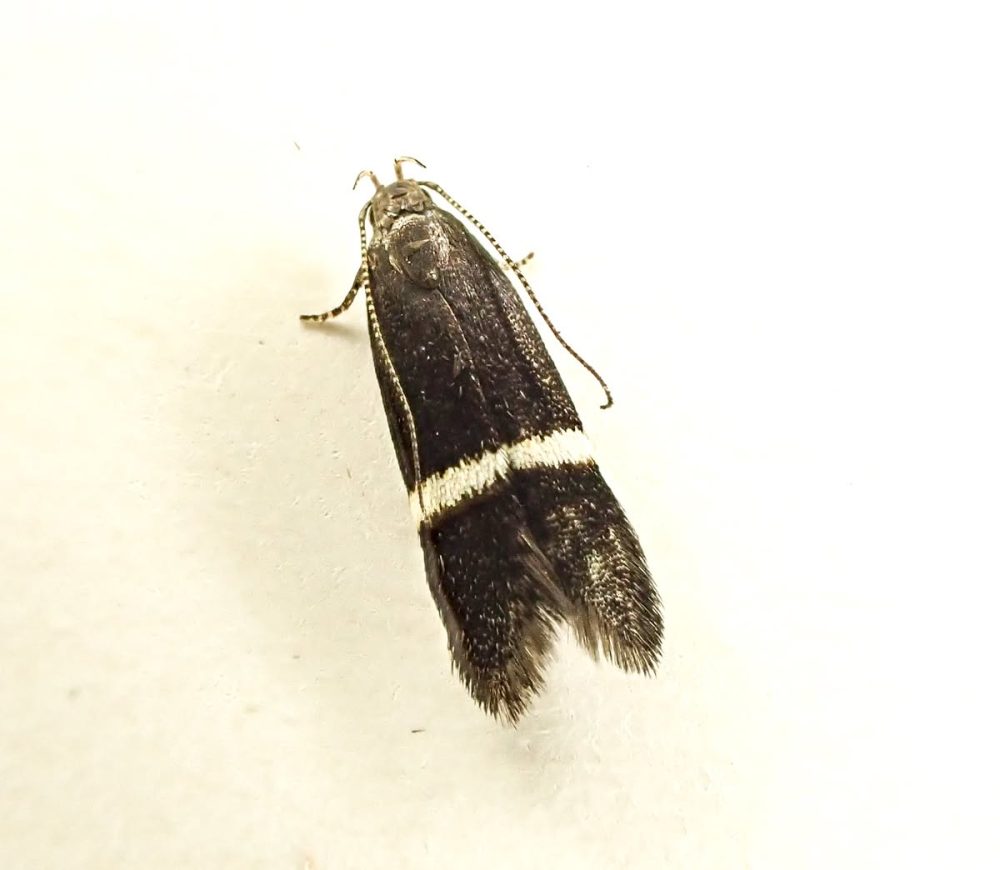
During our first Moth Survey at Calke Park, Explorer, NT on Thursday 18th June 2026, our team of recorders, Graham Finch and Sean Browne, recorded a total of 840 moths of 149 species. Whilst processing the final micro moths, two new species for VC57 Derbyshire were discovered and identified by Gen Det examination performed by
Derbyshire Moth News, Moth Traps - Derbyshire
Moth Trap 20th-21st June 2026
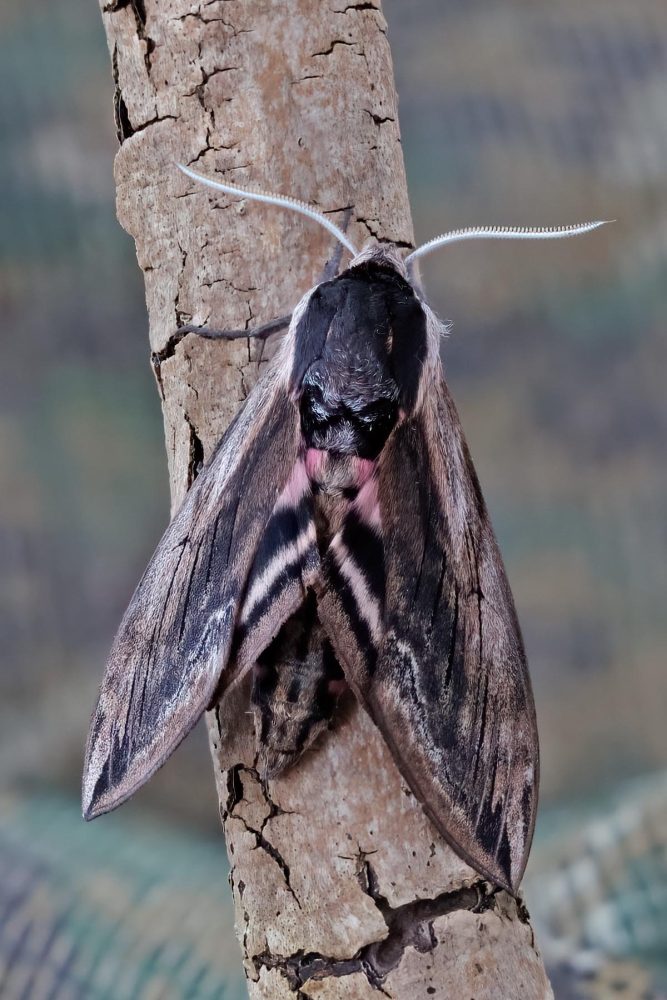
I ran my 20w actinic moth trap overnight on 20th June 2026 in my Melbourne garden – results are as follows in no particular order – Large Yellow Underwing (4); Riband Wave (7); Willow Beauty (8); Chrystoteuchia culmella (Common Grass Moth) (1); Crambus pasquella (White-banded Grass Moth) (8); Short-cloaked Moth (6); Scarce Footman (1); Common Footman

Derbyshire Moth News
A new species of micro moth for VC57 Derbyshire
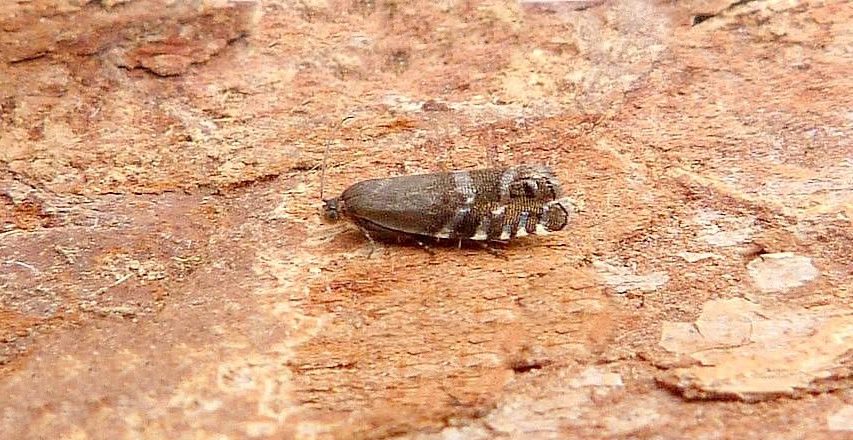
Overnight on 15th June 2026 Dave Evans was moth trapping at Darwin Forest, near Matlock. Whilst processing the moth trap on the morning of 16th June 2026, Dave discovered a new micro moth species for VC57 Derbyshire, Cydia conicolana (Pine Nut Moth). The moth is known as a local and nationally scarce resident across parts
Moth Traps - Derbyshire
Moth Trap – 8th-9th June 2026
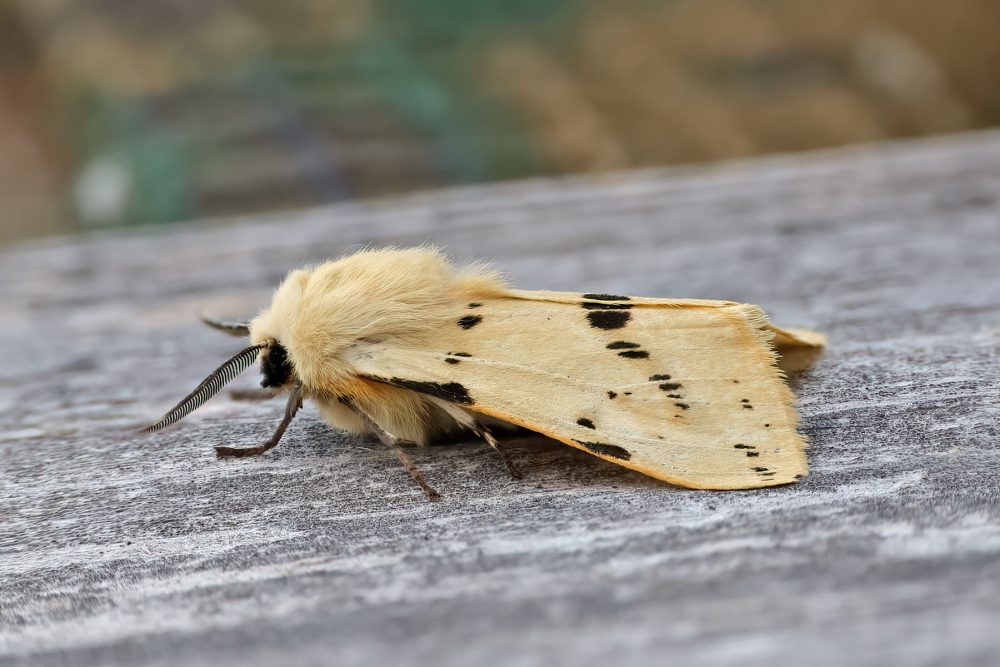
I ran my 20w Actinic Skinner Moth Trap from my Melbourne garden overnight on 8th June 2026 – Results as follows in no particular order. A cold, windy and clear night resulted in a very poor return – Heart and Dart (11), Buff Ermine (2) (NFY), Vine’s Rustic (1); Large Yellow Underwing (1), Cinnabar Moth
Derbyshire Moth News, Moths
New Micro Moth for VC57
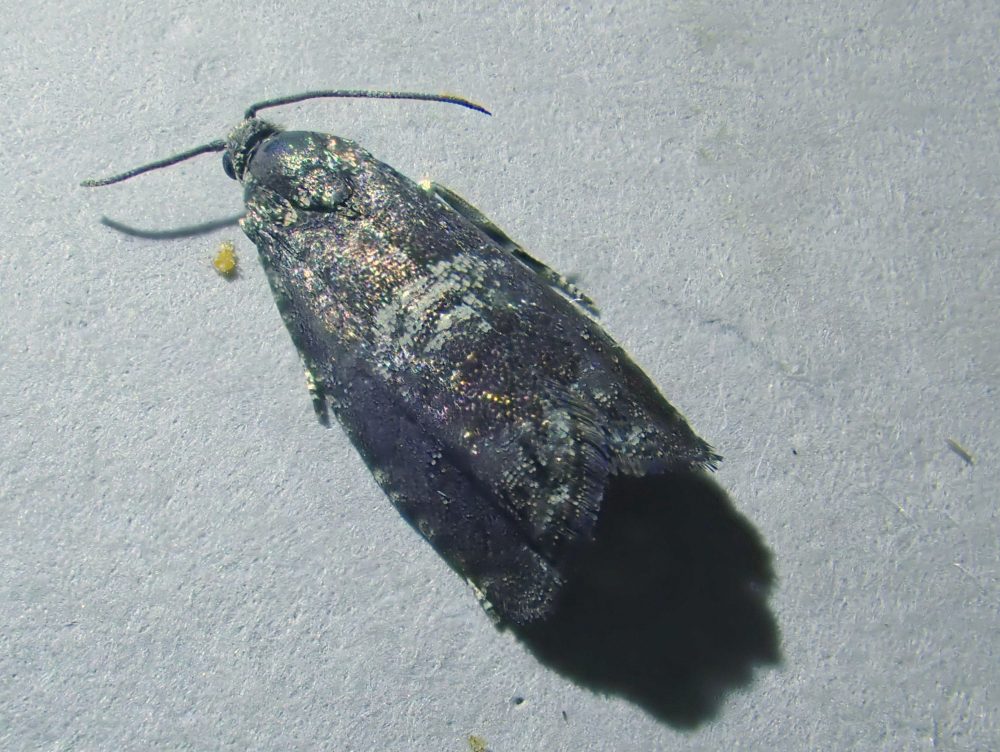
A first record for VC57 Derbyshire of Pammene obscurana (Birch Catkin Tortrix) was discovered by Steve Orridge in his Buxton garden moth trap, whilst using the TIP pheromone lure on 25/5/2026 The species is a CAT4 which means it can only be positively identified by scientific examination. The specimen was identified by Gen Det analysis
Derbyshire Moth News, Moth Of The Month
May 2026
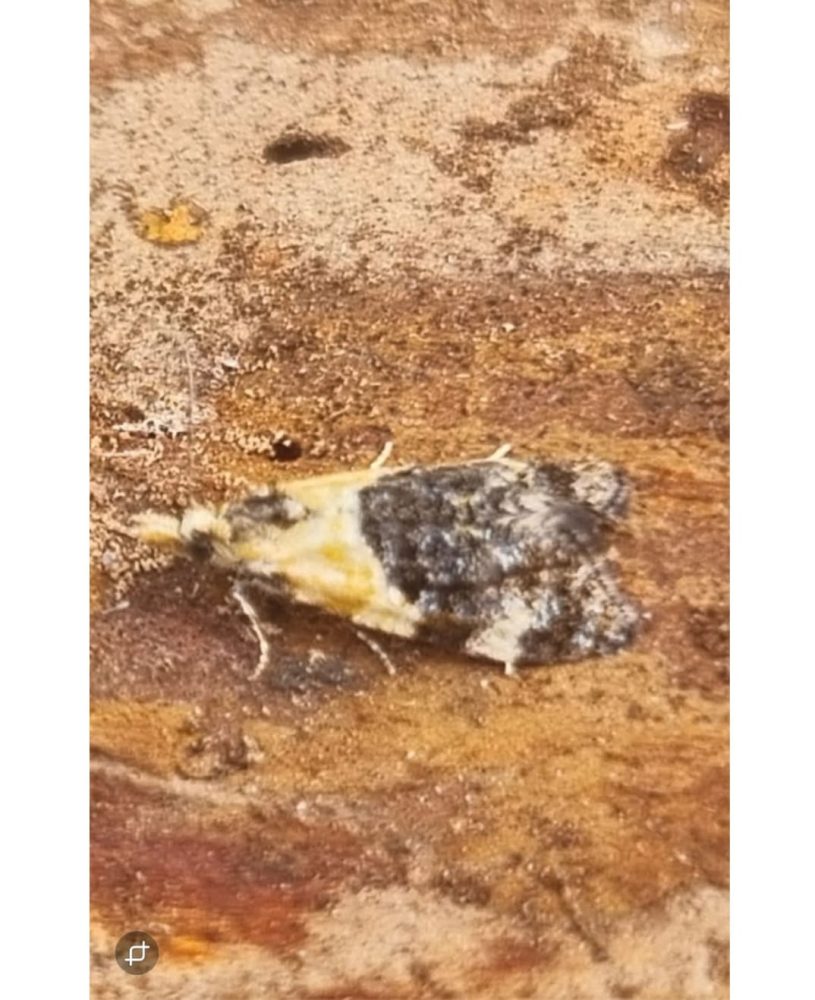
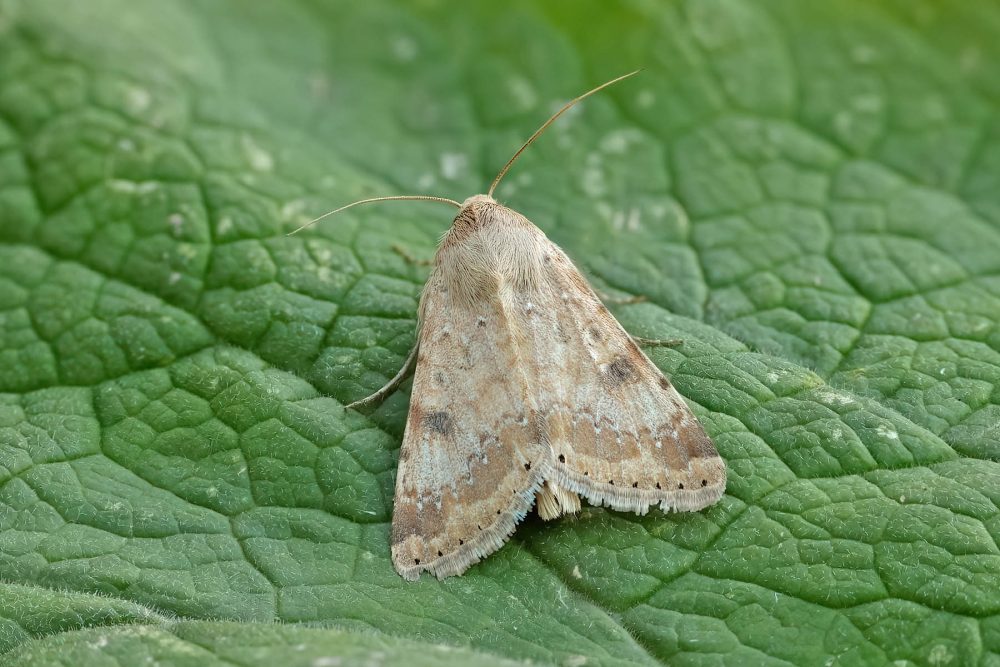
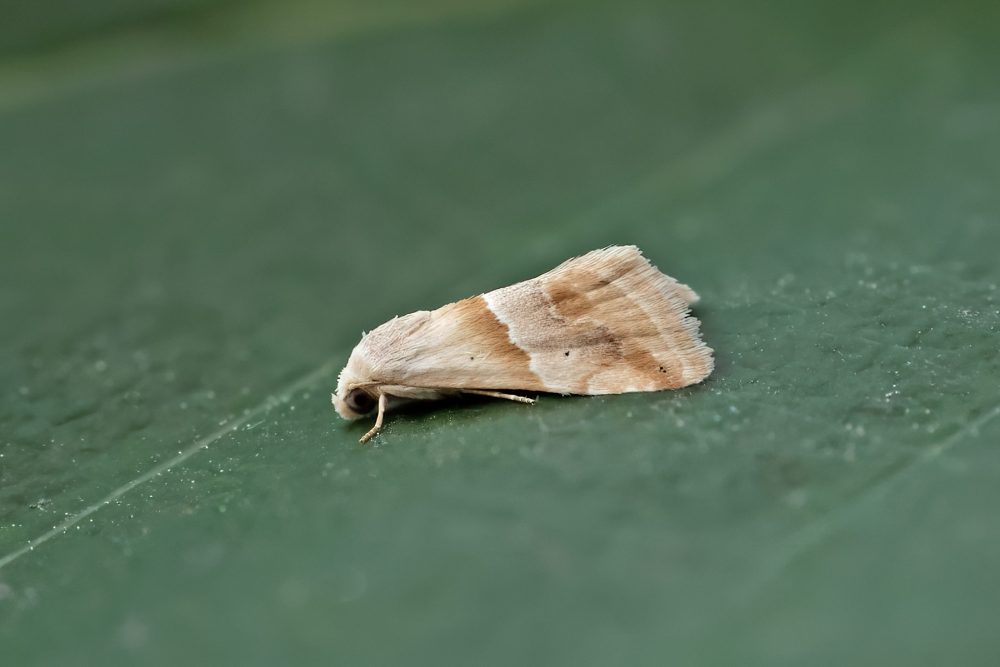
During late May there was an unprecedented influx of migrant moths into Britain. The influx comprised of a wide range of species primarily Striped Hawk-moth, Small Mottled Willow, Bordered Straw and Eastern Bordered Straw to name a few. This paved the way for Derbyshire “moth-ers” to be in with a chance of recording one or
Derbyshire Moth News, Moth Traps - Derbyshire
Moth Trap – 29th-30th May 2026
I ran my 20 actinic moth trap from my garden in Melbourne, Derbyshire overnight. Results are, in no particular order, as follows – Star moth was a Small Marbled (5th record for Derbyshire, (with another trapped in Belper this am); Varied Coronet; Silver Y (2); Epiphyas Postvittana (Light Brown Apple Moth); Plutella xylostella (Diamond-back Moth)
Derbyshire Moth News, Macro, Moth Traps - Derbyshire, Moths
A Special Hawk-moth arrives in Derby
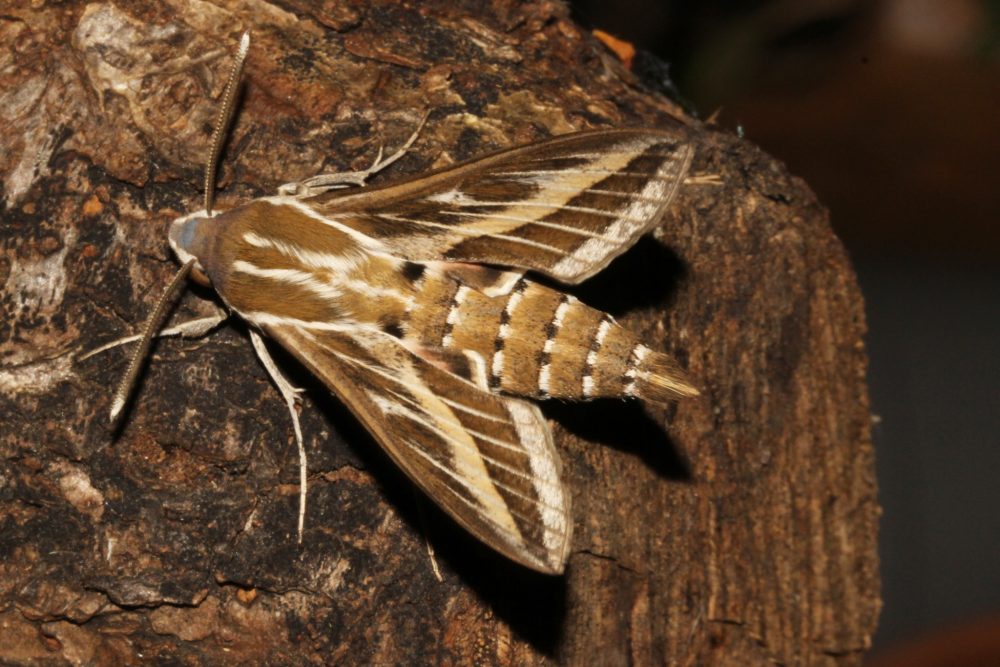
News broke today of a rather special species of Hawk-moth that has arrived in large numbers across Britain during the recent hot weather that has moved up from North Africa. I was wondering when Derbyshire would get one. William Grange was the fortunate moth recorder, he recorded a Striped Hawk-moth that had been attracted to
Derbyshire Moth News, Moth Traps - Derbyshire
Moth Trap – 26th – 27th May
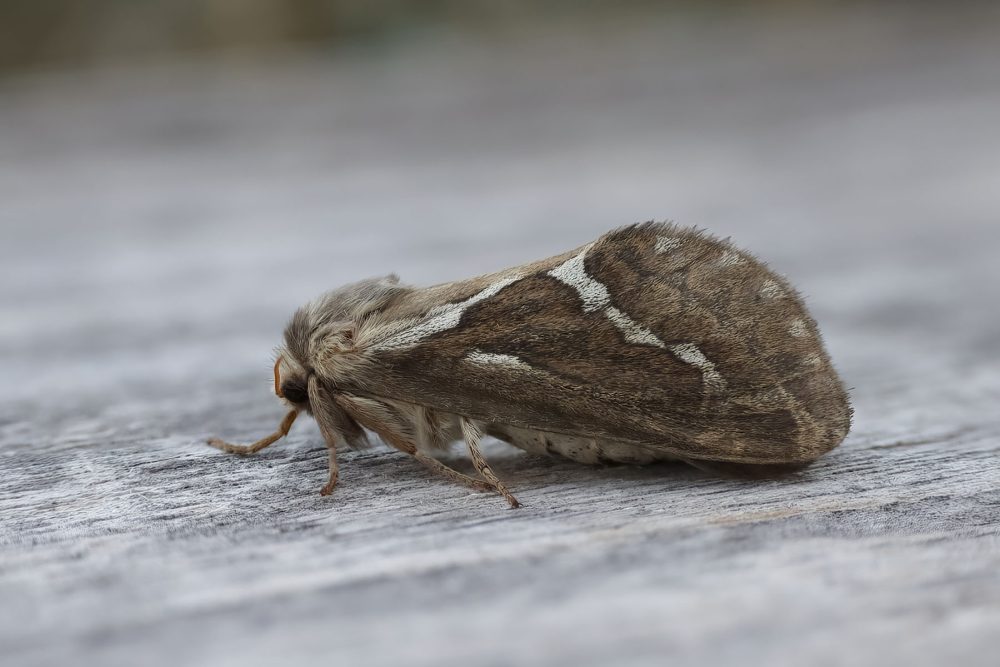
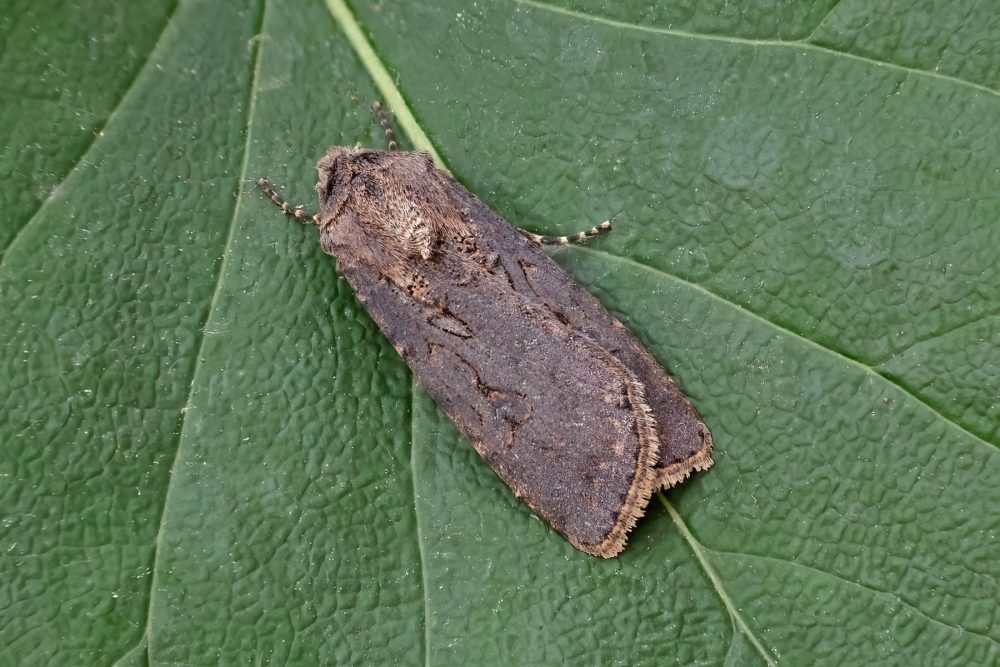
I ran my 20W Actinic moth trap from my garden in Melbourne overnight on 26th May, results are as follows in no particular order – Common Swift – female (1); Buff-tip (1); Small Elephant Hawk-moth (1); Marbled Minor agg (3); Middle-barred Minor (3); Ruby Tiger (2); Vine’s Rustic (4); Shuttle-shaped Dart (1); Heart and Dart
Derbyshire Moth News, Moth Traps - Derbyshire
Moth Trap – 24th-25th May 2026
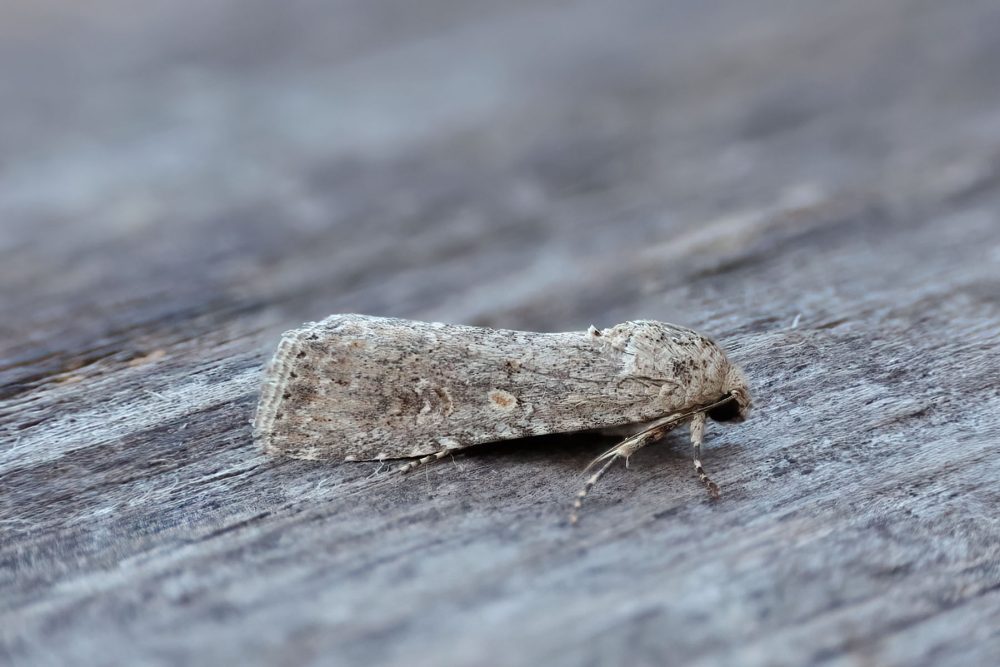
I ran my 20W actinic moth trap in my garden in Melbourne from 21:30hrs to mid-night on 24th May 2026. The results in no particular order were as follows – Aphomia sociella (Bee Moth) (4);Epiphyas postvittana (6); Mint Moth; Heart and Dart; Iron Prominent; Pale Tussock; Common Pug; Brindled Pug (2) Common Wainscot; Turnip Moth;
Derbyshire Moth News, Moth Traps - Derbyshire
Moth Trap 22nd – 23rd May 2026
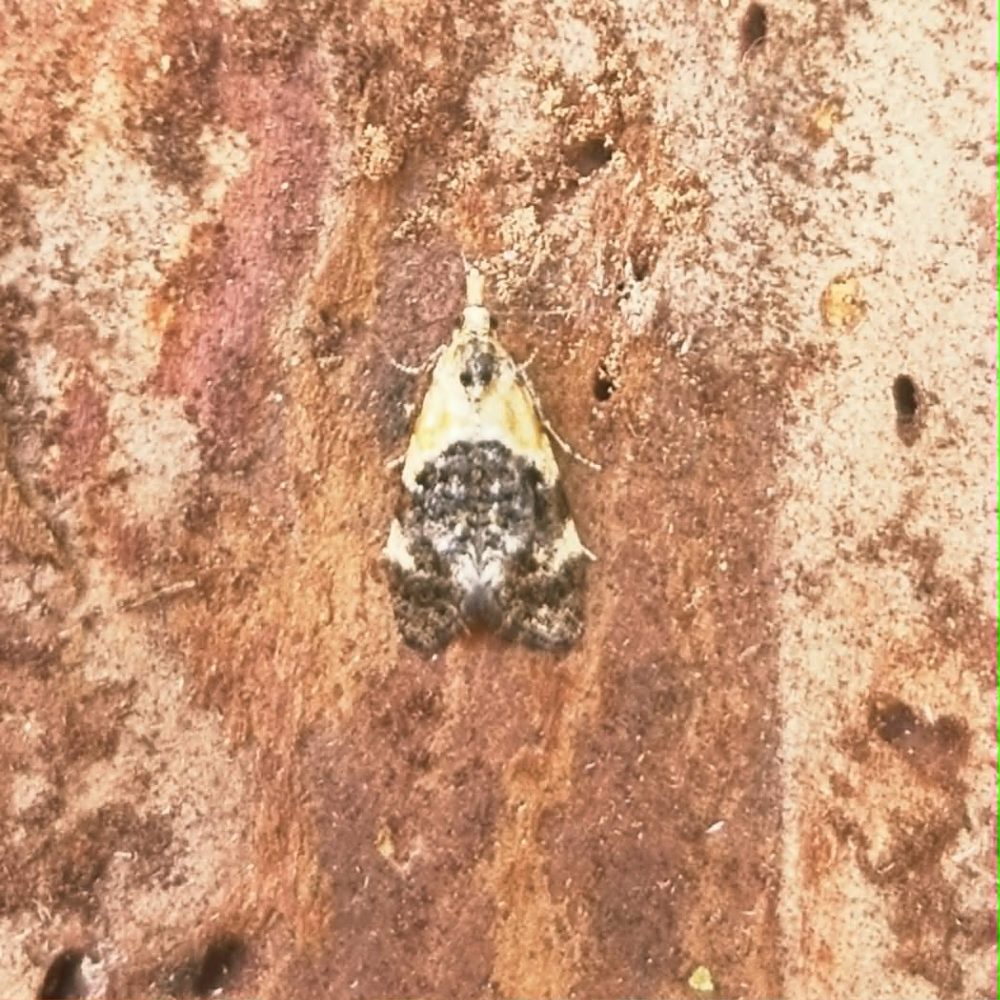
I ran my 20W Actinic Moth Trap overnight on 22nd May in my Melbourne garden – Results were in no particular order – Brimstone Moth (2); Epiphyas postvittana (Light Brown Apple Moth) (7), Common Pug (3), Lime-speck Pug (2), Plutella xylostella (Diamond-back Moth( (3), Shuttle-shaped Dart (6), Flame Shoulder (2); Heart and Dart (3), Vine’s
Derbyshire Moth News
A New Micro Moth for VC57 Derbyshire
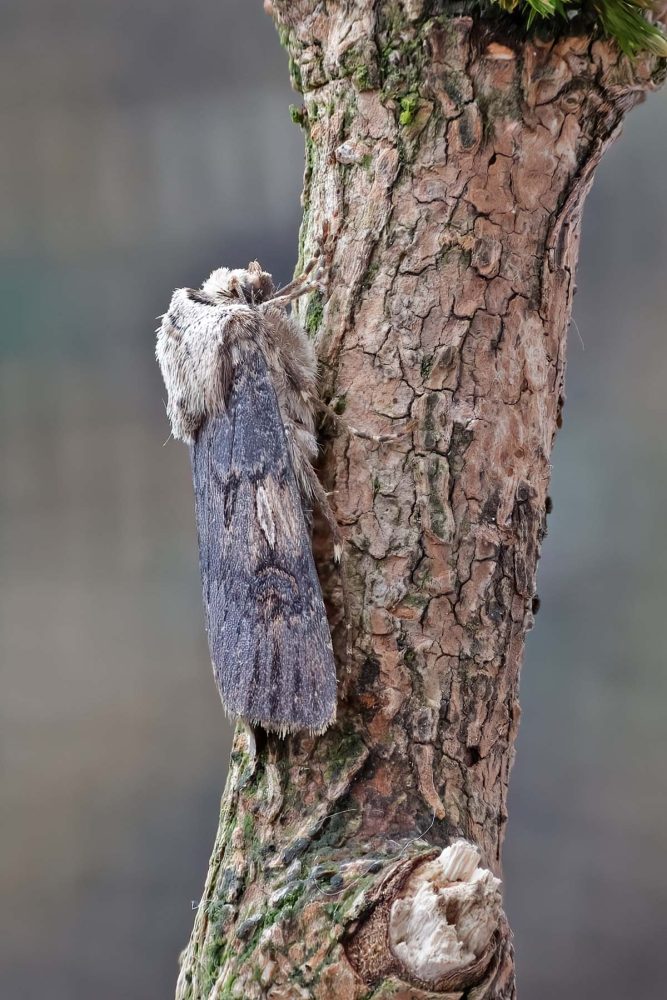
News broke across the Derbyshire moth-ing media on 23rd May 2026 when one of our recording team members posted a photograph of what he thought was Phtheochroa schreibersiana (Gold Cloak) a really rare species of Tortrix. Dave Newcombe, from Belper, had trapped a single individual overnight on 22nd May in his garden MV Light trap
Derbyshire Moth News, Moth Traps - Derbyshire
Moth Trap – 18th – 19th May 2026
May has been a particularly cold month with overnight temperatures fluctuating between 5℃ – 8℃ on most nights, which of course has lead to much reduced moth trapping and numbers of moths being recorded. I put my 20w Actinic out for the first time in May and recorded only two moths between 21:45 and 23:45
Moth Of The Month
Moth of the month (April 2026)
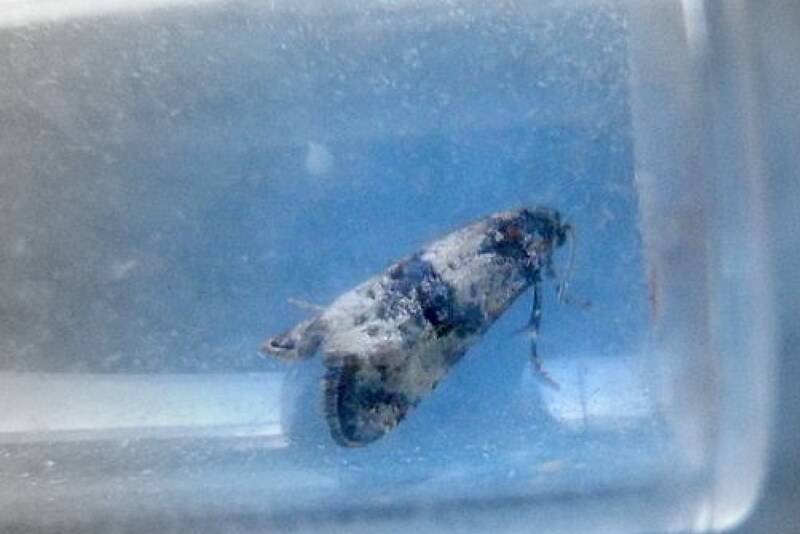
April’s moth of the month is a micro moth that was last recorded in Derbyshire on 5th June 1971 from Via Gellia. Hysterophora maculosana (Small Bluebell Beauty) was recorded by Dave Evans whilst he was sweep-netting in a Bluebell Wood at Wyver Lane NR, Belper on 29th April 2026. The moth is highly dependant on
Derbyshire Moth News, Moth Traps - Derbyshire
Moth Trap – 16th-17th April 2026
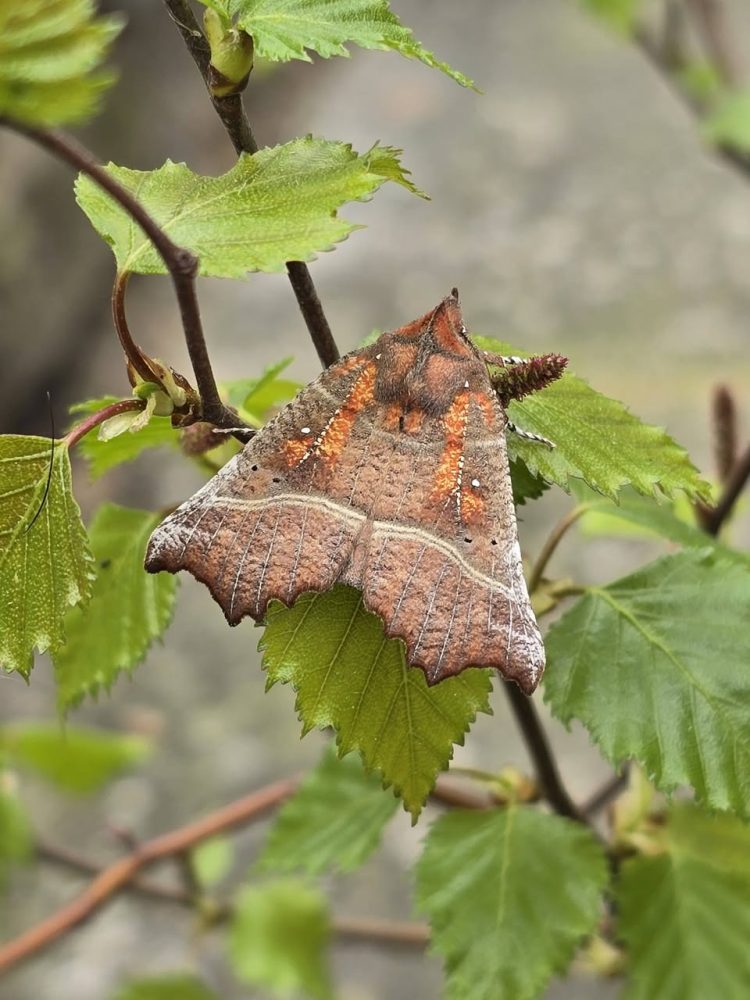
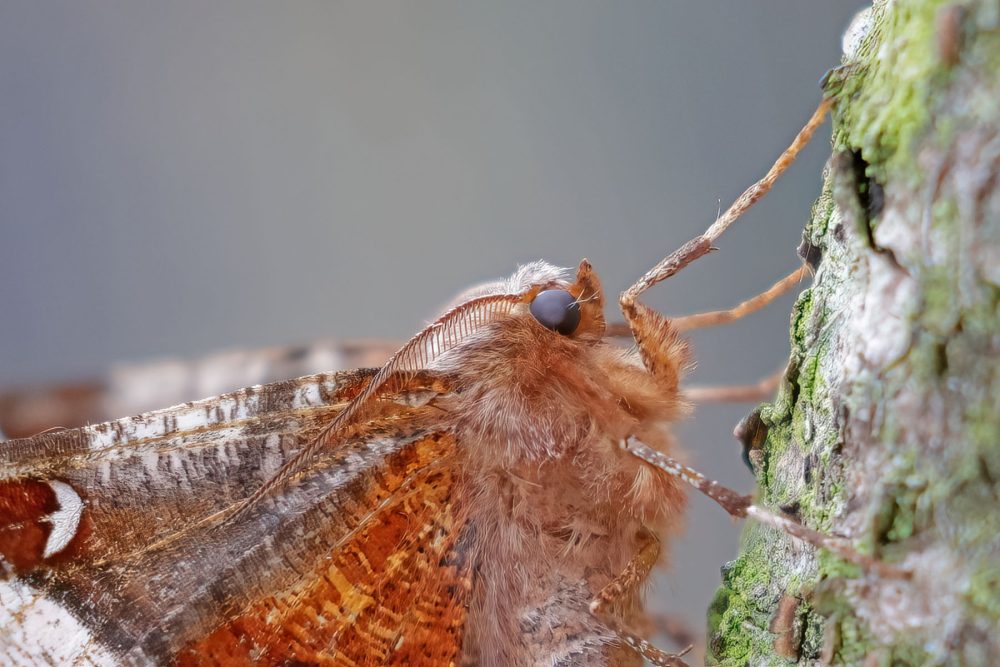
I ran my 20W Actinic moth trap in my garden overnight 16th April 2026 in Melbourne. Results were as follows: Psychoides filicivora (Common Fern Moth) (NFG, NFY) (2); Purple Thorn (NFY) (1); Waved Umber (NFY) (1); Streamer (1); Brindled Pug (1); Common Pug (NFY) (1); Hebrew Character (1). 8/7
Derbyshire Moth News
Identification Guidance Notes for Oak-tree Pug v Brindled Pug by Christian Heintzen
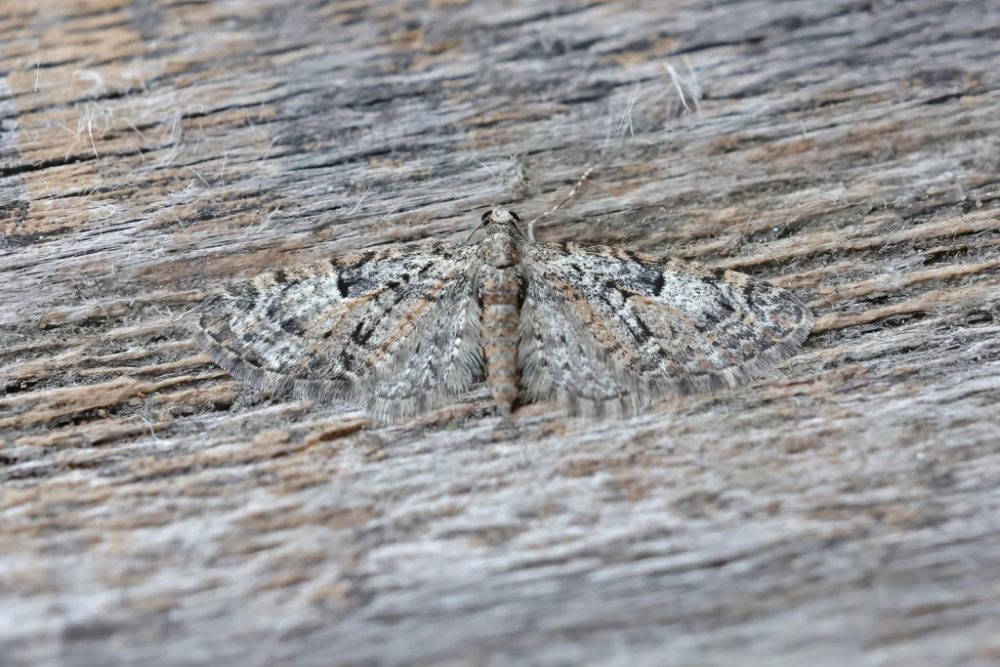
Identification Guidance for Oak-tree Pug v Brindled Pug by Christian Heintzen. Here is a quick panel made from my own photographs to illustrate some of the differences between Oak-tree Pug and Brindled Pug. The key differences are well documented in various printed and online sources but I thought, aside from other distinguishing features, there are