
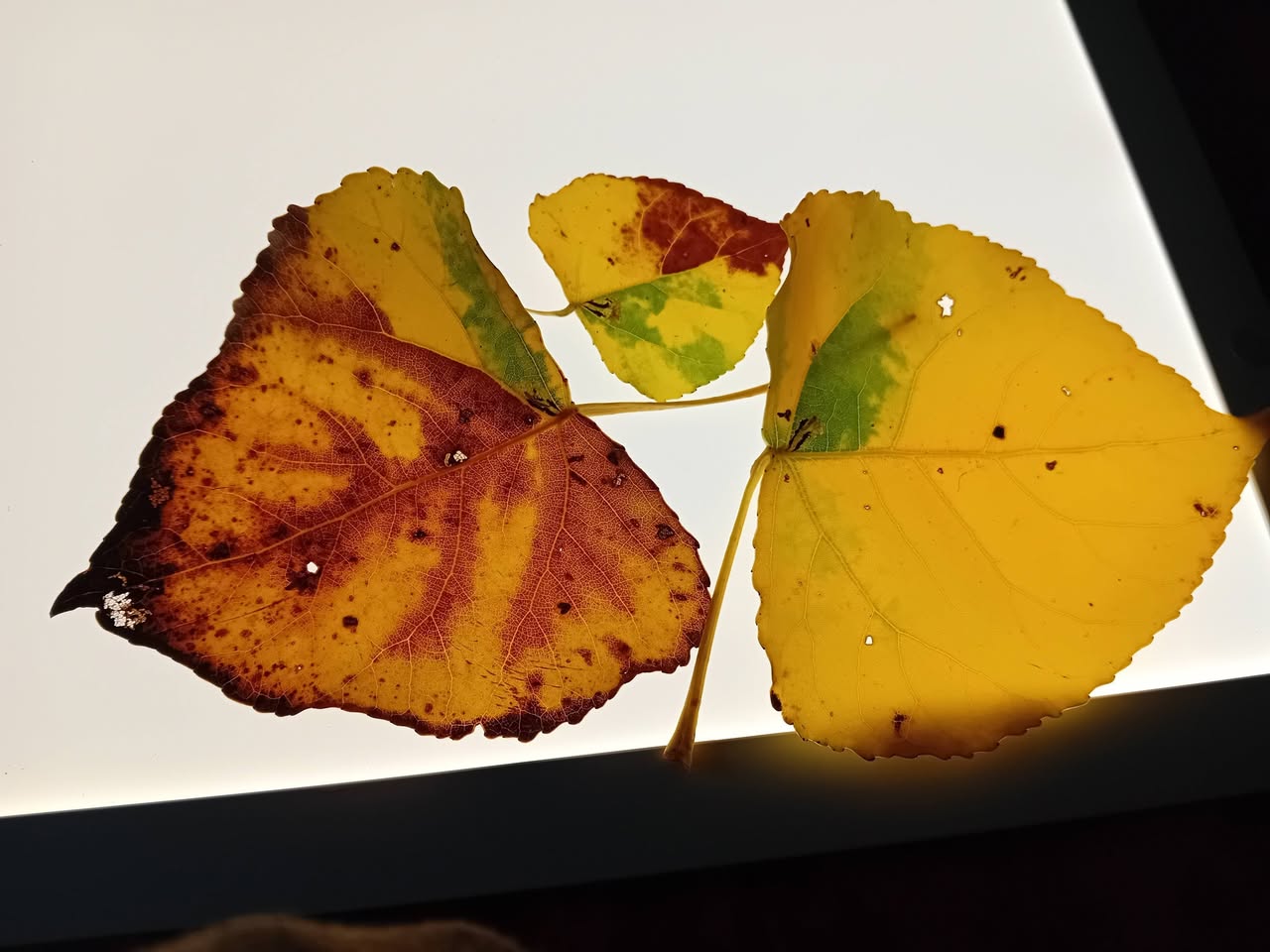
 Leaf-miner:
CAT A
– Recorded accepted without the leaf or a photo –
 – click for General Verification Guidelines |
– click for Specific Verification Guidelines
Verification Notes: Gen Det required for adult
 – Uncertain/Unknown – Insufficient Data
 – Leaf-miner
 – difficult to identify – detailed examination required, often a Gen Det and/or specimen and quality photographs are required.
Confusion Species: Ectodemia turbidella
Mine Period Additional: None.
Mine ID Difficulty:
 – Easy to identify, generally the leaf mine is distinctive and unlikely to be confused with other species.
Mine Type/s: Blotch
Mine Feeding Method/s: Not Recorded
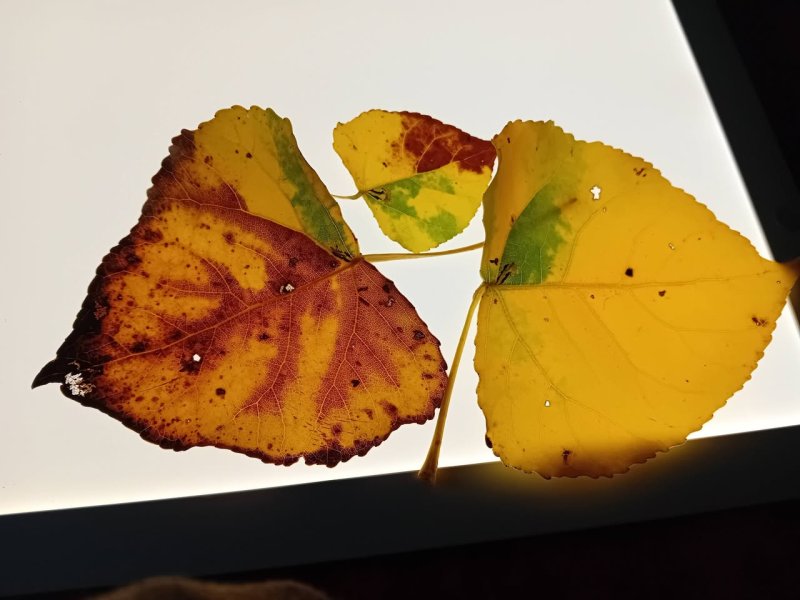
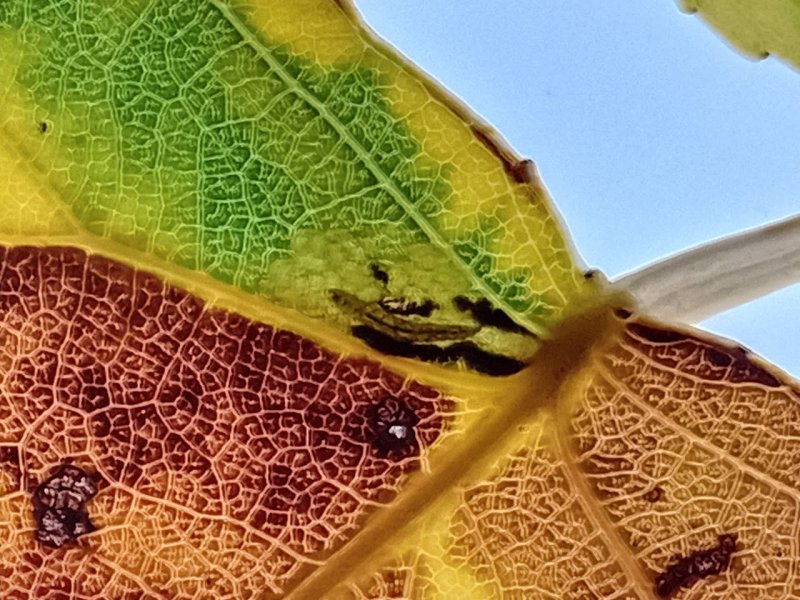
Mine Comment: From September the larva forms a blotch mine at the base of a leaf of P. x canadensis, starting mining in the petiole and leaving two parallel strands of frass in the mine. The larvae exhibit unusual behaviour, in feeding primarily at night. During the daytime they retreat back inside the protective safety of the petiole gall. As the larva matures it moves out into the main leaf to form a distinct elongated blotch mine near the base of the leaf. The mine can form a ‘green island’ in an otherwise brown fallen leaf.
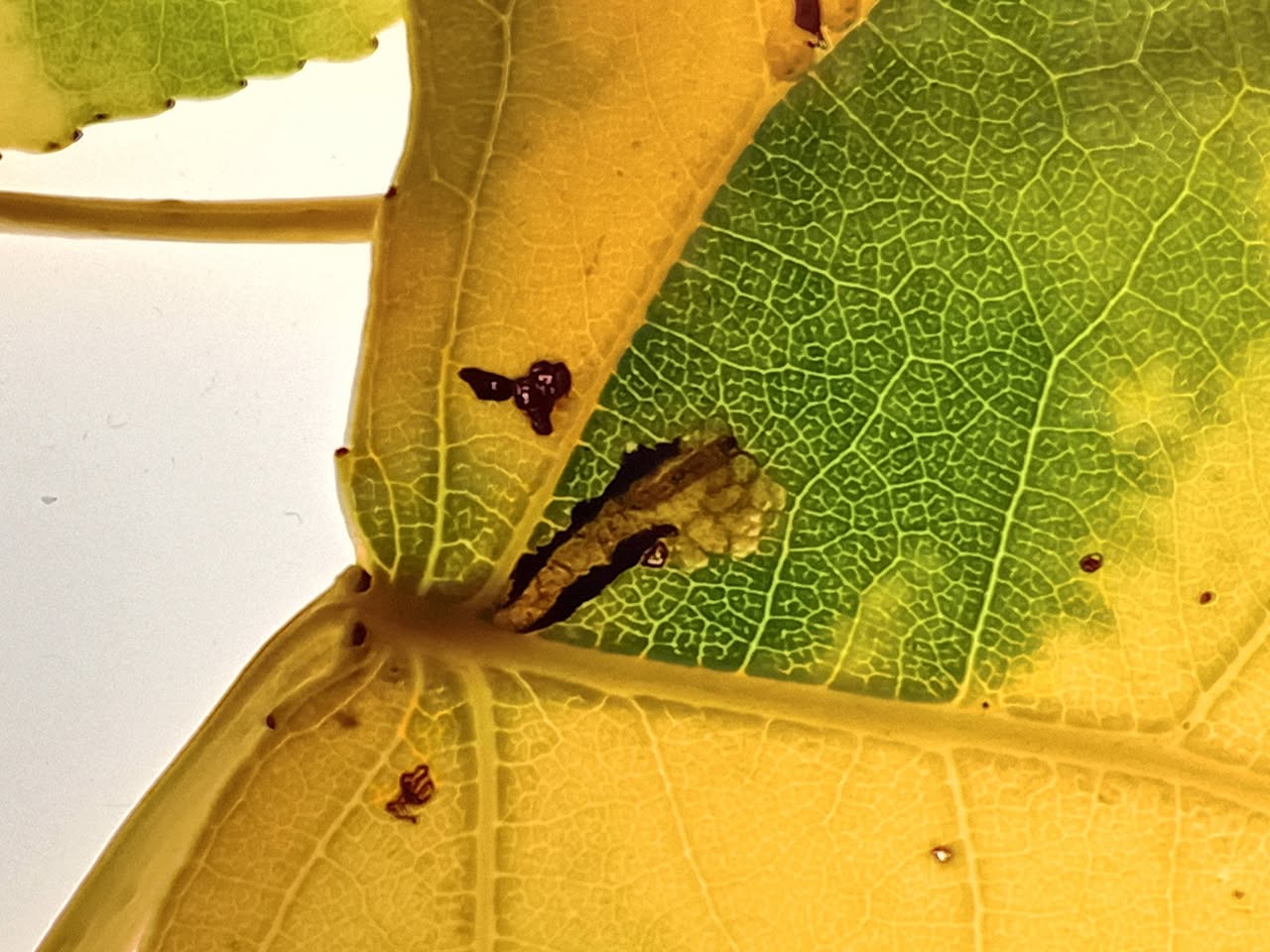
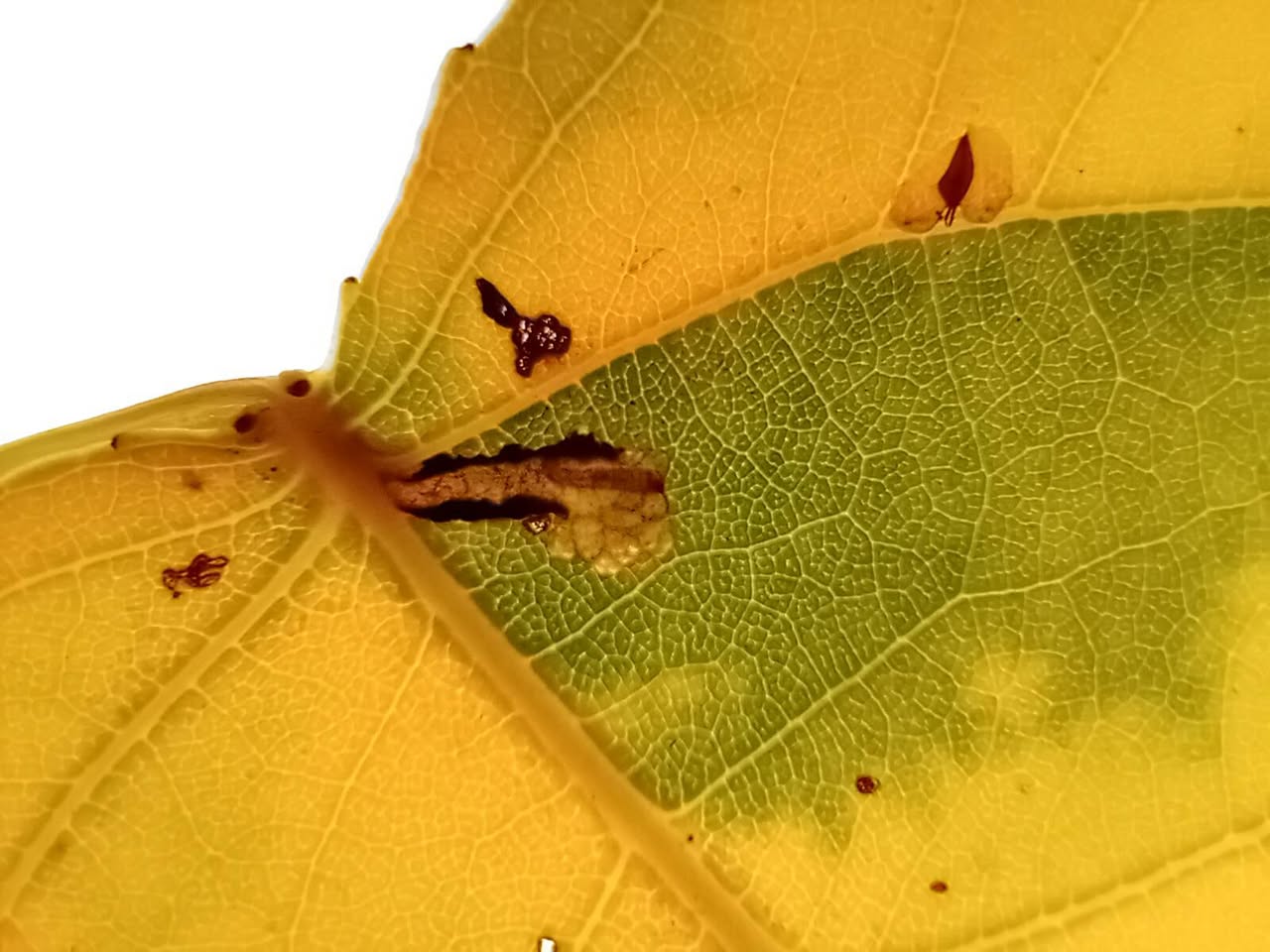
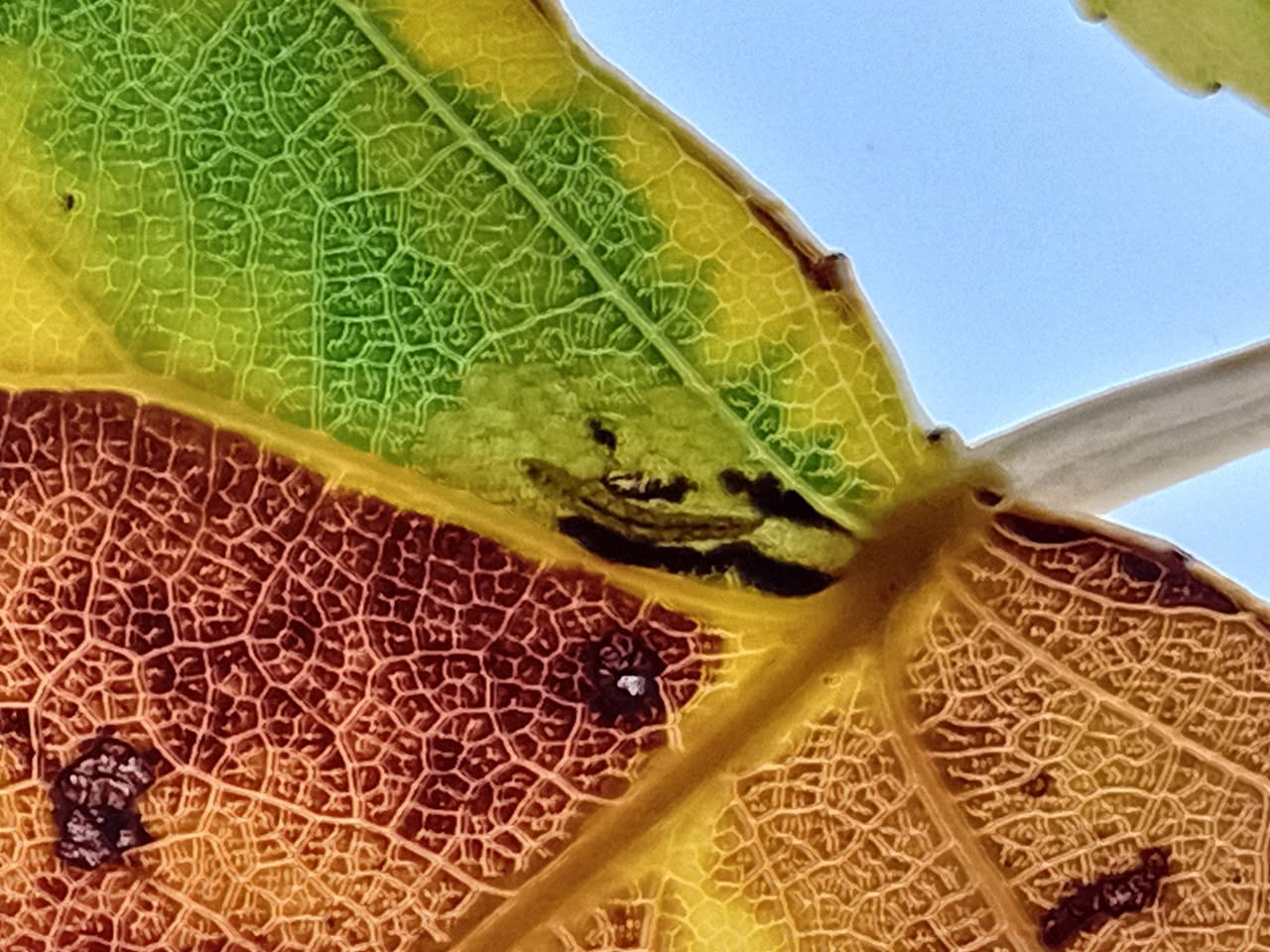
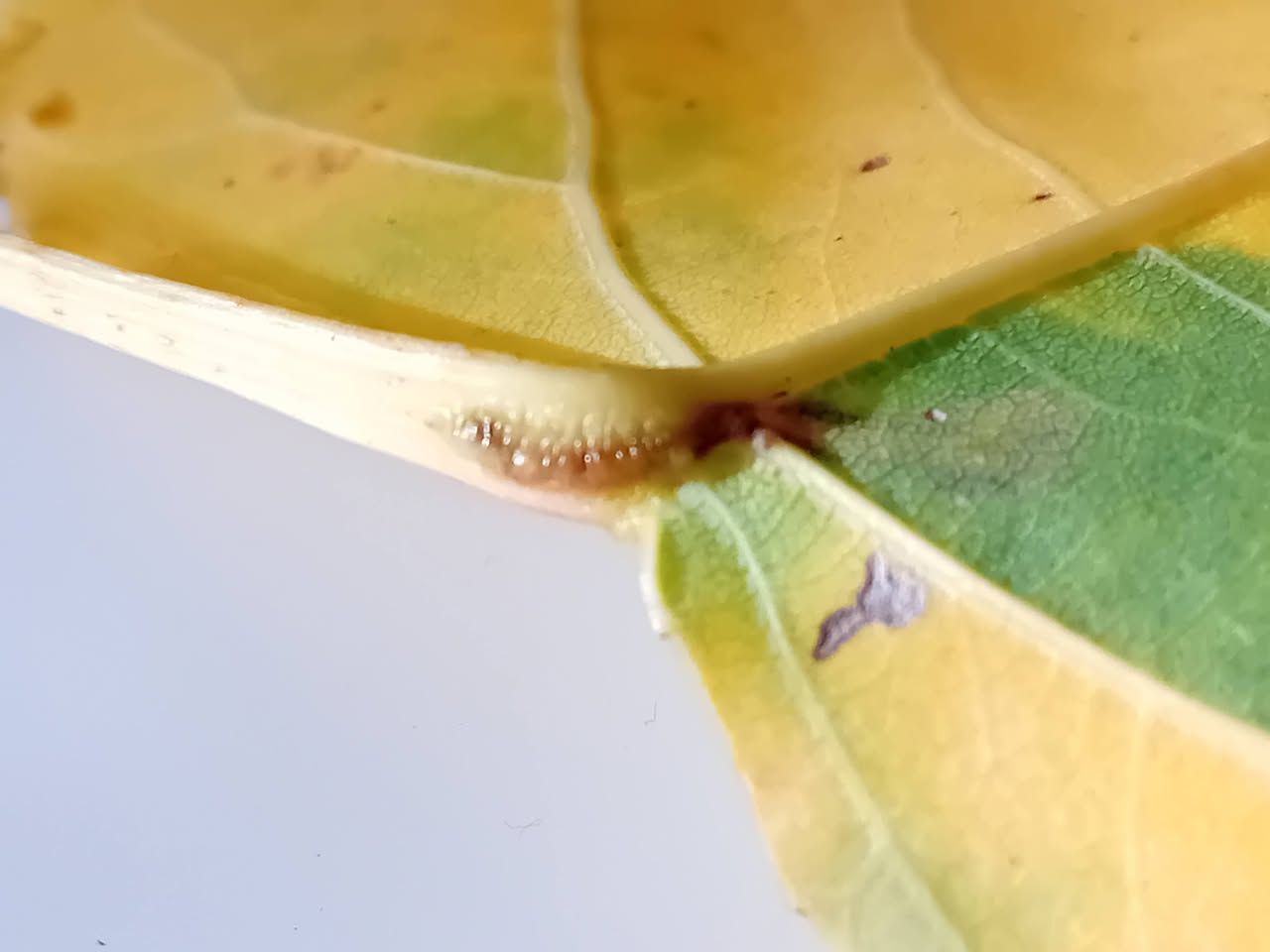
Image Gallery
Temporal Distribution Chart
Immatures: (between 2026 - 2026)
Changes in First and Last Recorded Activity Dates Over Time
This chart presents a time-series summary of recorded observations. It is based on available records at the time of analysis and will evolve as further data are added. The five-year moving average provides a smoothed representation of variation in recorded adult and immature activity over time, helping to illustrate longer-term trends in the earliest and latest recorded dates.
Annual record totals are shown for context; years with fewer records may provide a less complete representation of activity than years with higher recording intensity. Interpretation should consider that apparent trends may reflect both biological change and variation in recording effort.
Note: Clicking either the Adult Range.... or Immature Range... legends allows you to hide them, to show more discrete data.
Distribution Map for Ectoedemia hannoverella
↳ 2 from 2026+
↳ from 2020 - 2025
↳ from Before 2020
If the Map Layers function fails, just refresh the page and it should be OK after. Use the +- zoom on the top left, or on a tablet, use two fingers to zoom. Remember, the last layer you ticked is the one which displays the popup information - they sit on top of each other - de-select then re-select, to see the popup values.
Bedrock Geology ** indirectly affects moth distribution by influencing the type of habitat and food plants available in an area. In turn, this may affect the types of moths that can thrive, or where they can most likely be found.
NBN Atlas UK Distribution for – Ectoedemia hannoverella
⚠️ Please wait for the map to load fully – do not click the link shown.
Note – the NBN Atlas datasets are listed in the map below and vary in their currency (uptodateness) – however,
the map does give a general indication of the moth's distribution across the UK.
Monthly Records By Year:
Ectoedemia hannoverella
( data includes both Larvae and Adult Stages )
Monthly Counts By Year:
Ectoedemia hannoverella
( data is based on 'Adult' stage records only )
First/Last Recorded Dates: Ectoedemia hannoverella
Adult-only & Anything [Larvae, Pupae, Adult, Mines]
Shading shows moth presence between dates
Click the colour discs below to Select/De-select as Required
Recordings By Year: Ectoedemia hannoverella
( All data includes both Larvae and Adult Stages )
Annual Growth Rate (AGR): Ectoedemia hannoverella
AGR: 0% | Total % Change: 0%
Ectoedemia hannoverella
Insufficient records/data for an AGR analysis
Hectad (10kmx10km) Coverage: Ectoedemia hannoverella
( data includes both Larvae and Adult Stages )
Flight Periods – Indicative –vs– Recorded Data
Ectoedemia hannoverella
Ectoedemia hannoverella
Flight Period chart – the grey hatched area above, which can cross one or more months, pictorially represents the best guess we have for this moth's flight periods [month/s]. The coloured lines represent the actual months seen in flight, from site observation records received between 2020-2026.
Mine Periods – Indicative –vs– Recorded Data
Ectoedemia hannoverella
Ectoedemia hannoverella
( data includes both Larvae and Adult Stages )
Mine Period chart – the grey hatched area above, which can cross one or more months, pictorially represents the best guess we have for this moth's mine periods [month/s]. The coloured lines represent the actual months seen mining, from site observation records received between 2020-2026.
Records Behind the Map and Charts - Ectoedemia hannoverella – 2 records available
Listed by Year - descending - scroll across to see all table columns
| Site Name | Tetrad | Date | Count | Stage | Recorder | Source | RecordKey |
|---|---|---|---|---|---|---|---|
| Foxlow Ponds | SK47H | 27/10/2026 | 100 | mine | Radford, Mark | vc57_irecords_extract | iBRC57761726 |
| Hall Lane Pond | SK47H | 25/10/2026 | 3 | mine | Radford, Mark | vc57_irecords_extract | iBRC57726103 |